

 عربى
 Español
 Português
An empty bowl goes onto a kitchen scale, the user presses tare, and the display returns to zero. This familiar action can conceal an important buying question: how much additional ingredient weight can the scale still accept? Tare simplifies a recipe, but it does not create a larger weighing mechanism.
For importers and private label buyers, kitchen scale tare deserves more attention than a tick beside a feature name. The useful comparison covers container weight, typical ingredient quantities, display increments and the way users add several ingredients. These details connect the product specification to an everyday task without making unsupported accuracy claims.
Tare changes the displayed result, not the load
The tare function subtracts the container weight from the displayed result. The sensor continues to support the container and its contents. When comparing digital kitchen scales, therefore, read maximum capacity as a limit for the total supported load unless the model instructions explicitly define another arrangement.
Consider an illustrative scale with a maximum load of five kilograms. An eight hundred gram bowl leaves four thousand two hundred grams of capacity for ingredients. After taring, the display reads zero, but the bowl remains physically on the platform. The numbers illustrate the principle; they are not specifications for any particular model.
This distinction matters for heavier glass or ceramic containers. A user may choose a scale around the largest recipe quantity and overlook the bowl. A retail specification should explain the relationship clearly enough that the buyer can select suitable containers rather than discover the limitation during use.
Readability is different from weighing accuracy
Scale readability is the smallest displayed increment. A one gram display does not, by itself, establish that every result is accurate within one gram. Repeatability, load position, calibration condition and other model characteristics affect measurement performance. Laboratory weighing guidance from METTLER TOLEDO also distinguishes repeatability from readability.
For a kitchen application, begin with the smallest ingredient quantity that matters. A scale intended mainly for flour and vegetables serves a different task from one expected to measure very small additions. Do not describe a model as suitable for tiny ingredients simply because its maximum capacity is convenient.
Ask for the manufacturer's actual performance specification and instructions for the selected code. Keep display division, maximum load and any stated tolerance in separate fields. This avoids a common product listing problem in which the display increment becomes an unexplained claim of precision or guaranteed accuracy.
Sequential ingredients need a clear workflow
Ingredient weighing often means adding several materials to the same bowl. The user weighs flour, presses tare, adds sugar, presses tare again and continues. Each displayed result can represent the new ingredient, while all previously added material still contributes to the supported load.
The instructions should distinguish sequential tare from clearing the platform. Removing the bowl after several tare operations can produce a negative reading because the stored reference is still present. Users need the documented method for restoring an empty platform reference, rather than interpreting that reading as a fault.
An evaluation script can reproduce an ordinary recipe without relying on memory. Record the bowl mass, the ingredient sequence and the button actions. Pause between additions as a real user would. This gives the product team a repeatable basis for assessing the workflow and writing clear instructions.
Auto-off can interrupt a long recipe
Automatic shutdown reduces power use, but a long preparation pause can interrupt the weighing sequence. A user may stop to open a packet, soften an ingredient or consult a recipe. If the scale switches off, the next weighing step may require a new reference.
Review the shutdown behaviour with the actual sample and its instructions. Determine what happens when power is restored with a partly filled bowl on the platform. Do not assume the scale remembers a previous tare value; that is a model function to verify.
For a retail range, describe the documented timeout and recovery procedure in straightforward terms. If the target customer routinely prepares complex recipes, that workflow may justify selecting a different configuration. A slightly more convenient feature list is less valuable than predictable behaviour at the moment the user needs another measurement.
Container support affects the result
A bowl should sit securely on the weighing platform without touching the surrounding countertop or another object. Any additional contact can divert part of the load away from the scale. A wide bowl also needs enough stability that users do not hold its rim while reading.
Review the intended container shapes alongside the sample. Check whether the base sits flat and whether normal button operation moves the assembly. Keep the platform clean and follow the supplied instructions for placement. These are practical conditions for consistent use, rather than proof of a laboratory tolerance.
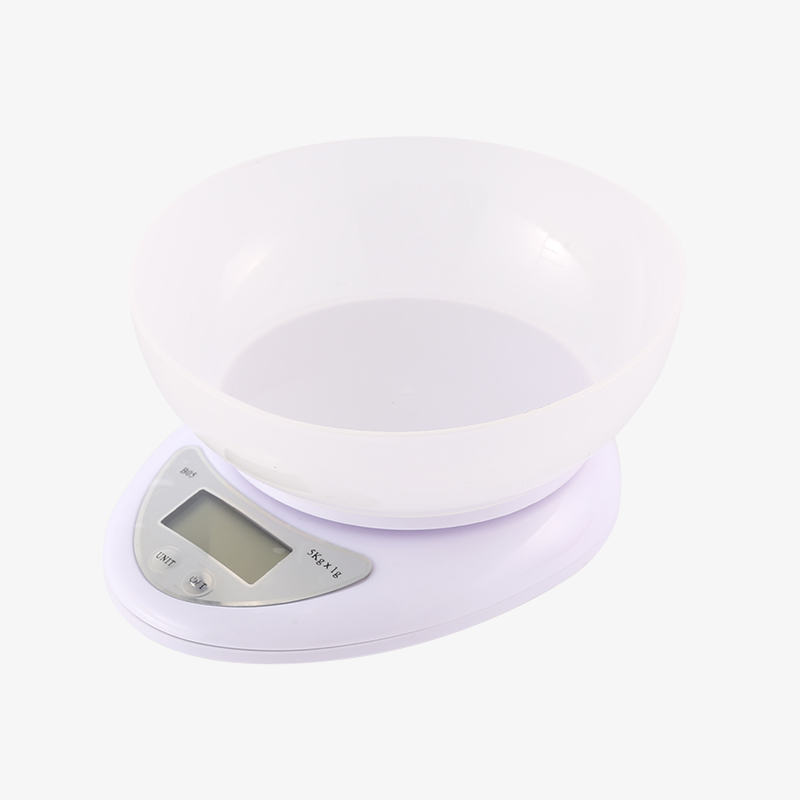
Where a model includes a removable bowl, compare both the supplied bowl workflow and a common alternative container. The product listing should make clear whether the pictured bowl is included. Capacity information remains necessary even when the container is part of the set.
Evaluate repeatability without overstating the result
A useful sample review repeats the same loading sequence under consistent conditions. Place the scale on the same firm surface, use the same container and reference loads, and record several readings. Note changes in load position or handling separately rather than combining different conditions into one unexplained result.
Suitable calibrated reference weights are needed when checking a stated weighing tolerance. Household objects can help evaluate convenience, but their nominal packaging weights are not calibration evidence. A bag labelled with a net quantity is not a certified reference for accepting instrument accuracy.
The review record should identify the sample, battery condition, procedure and acceptance criteria. If readings differ, first distinguish a measurement issue from a workflow change. This disciplined approach helps a distributor explain observations to the manufacturer without declaring that one casual kitchen demonstration proves overall performance.
Make the purchasing specification useful to the user
A complete enquiry can state maximum gross load, display division, normal bowl weight, smallest important ingredient quantity and the expected sequential tare workflow. Add the unit options, shutdown behaviour and supplied container configuration required for the retail market.
The approved listing should reflect the selected model rather than combine attractive details from different scales. Keep the user instructions consistent with the packaging and online description. When tare, capacity and readability are explained separately, buyers can offer a scale that fits the recipe instead of relying on a single large capacity number.